Source Waterproof Fogless Led Mirror for Bathroom, Hotel, and Villa
Find and compare 30 waterproof fogless led mirror options featuring modern designs, IP65 ratings, and customizable sizes. Evaluate specifications such as color temperature, LED strip types, and smart functions like Bluetooth and anti-fog technology for household, commercial, and outdoor applications.
Key considerations
Products List



Comprehensive Sourcing Guide
Waterproof Fogless LED Mirror Sourcing Guide
Sourcing waterproof fogless LED mirrors requires a disciplined approach that balances aesthetic integration with rigorous technical verification. These fixtures serve as both functional bathroom accessories and decorative lighting elements, making them critical components in residential, hospitality, and commercial interior projects. Buyers must navigate a market where visual appeal often overshadows underlying engineering quality, necessitating a focus on material integrity, electrical safety, and environmental resilience. The following guide outlines the essential verification steps for procurement professionals seeking reliable supply chains for these specialized lighting products.
The core value proposition of these mirrors lies in their ability to provide clear, shadow-free illumination while resisting moisture-induced degradation. This dual function demands strict adherence to waterproofing standards and anti-fog technology specifications. Procurement teams should prioritize suppliers who demonstrate transparent manufacturing processes and provide verifiable data on component longevity. By focusing on evidence-based selection criteria, buyers can mitigate the risks associated with premature failure, electrical hazards, and aesthetic inconsistencies in bulk orders.
Product Scope and Observed Listing Signals
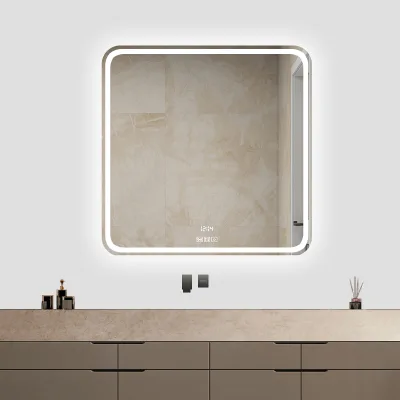
The current market landscape for waterproof fogless LED mirrors reveals a diverse range of configurations tailored to specific installation environments. Observed listings indicate a strong preference for modern styling, with available finishes ranging from silver to frameless designs. The product scope encompasses various shapes, including rectangular, square, and round formats, allowing for flexible integration into different architectural styles. Buyers should note that customization is widely available, enabling adjustments to dimensions and lighting parameters to meet specific project requirements.
Listing signals suggest that these mirrors are designed for multi-environment applications, including households, hotels, villas, and commercial spaces. The presence of specific model identifiers, such as SLS-K0741 and S-4525, indicates a structured product catalog rather than generic unbranded goods. Additionally, the observation of specific LED strip types, such as 2835 and 5050, provides insight into the potential brightness and energy efficiency of the units. Procurement teams should use these signals to narrow down supplier options based on the specific aesthetic and technical needs of their projects.
Technical Specifications to Verify
Verifying the technical specifications of waterproof fogless LED mirrors is paramount to ensuring long-term performance and user satisfaction. Key attributes to confirm include the mirror thickness, which is often specified as 5mm copper-free silver mirror to prevent greenish tints and degradation. The lighting type, typically back-lit LED, should be evaluated for its diffusion quality, with sandblasted lighting areas preferred for soft, even illumination. Buyers must also verify the color temperature options, which commonly range from warm 3000K to cool 6000K, to ensure alignment with the desired ambiance of the installation space.
Waterproofing and anti-fog capabilities are critical technical differentiators that require precise verification. The IP65 rating is a standard benchmark for water resistance, indicating protection against low-pressure water jets from any direction. Anti-fog functionality is often achieved through integrated heating elements or specialized coatings, and buyers should confirm the power consumption and activation method for these features. Additionally, the voltage compatibility, whether 220-240V or 110-130V, must match the local electrical infrastructure to prevent operational issues. The inclusion of touch switches and dimming capabilities adds to the user experience but requires confirmation of interface reliability and responsiveness.
Compliance and Safety Documentation
Compliance with international safety and quality standards is non-negotiable for waterproof fogless LED mirrors, given their electrical nature and bathroom applications. Buyers must request and verify certificates such as CE, SGS, and ISO, which attest to adherence to European and global safety regulations. Specific regional certifications, including SAA for Australia and UL for the United States, may be required depending on the destination market. These documents provide assurance that the electrical components, wiring, and housing materials meet rigorous safety thresholds.
Beyond product-specific certifications, buyers should inquire about the quality control processes employed by the supplier. A full QC system with production records for review indicates a commitment to consistency and traceability. Documentation should include test reports for waterproof integrity, electrical insulation resistance, and thermal performance. Buyers should also verify that the packaging standards, such as PE bags, polyfoam, and reinforced export cartons, are designed to prevent damage during transit, which can compromise the mirror’s structural and electrical integrity.
Cost Drivers and Commercial Terms
Understanding the cost drivers for waterproof fogless LED mirrors helps buyers negotiate favorable commercial terms and avoid hidden expenses. The primary cost factors include the frame material, whether glass or metal, the LED strip quality, and the complexity of the anti-fog mechanism. Customization options, such as non-standard dimensions or unique lighting effects, typically incur additional charges. Buyers should also consider the impact of packaging requirements on shipping costs, as robust protective packaging adds weight and volume to the shipment.
Commercial terms should be clearly defined in the purchase agreement, including minimum order quantities (MOQ) and lead times. Observed MOQ ranges vary from 1 to 1000 units, allowing flexibility for both small-scale renovations and large commercial projects. Buyers should negotiate pricing tiers based on volume and clarify payment terms to manage cash flow effectively. It is also advisable to discuss warranty periods and return policies for defective units, ensuring that the supplier stands behind the quality of their products.
Supplier Qualification and Quality Control
Supplier qualification is a critical step in mitigating procurement risks for waterproof fogless LED mirrors. Buyers should assess the supplier’s manufacturing capabilities, including their production capacity and quality control infrastructure. Factories with dedicated QC teams and standardized testing procedures are more likely to deliver consistent product quality. Verification of the supplier’s origin, such as Hangzhou, China, can provide context regarding the regional supply chain advantages and logistical considerations.
Quality control measures should extend beyond final inspection to include raw material verification and in-process checks. Buyers should request samples to evaluate the build quality, lighting uniformity, and ease of installation. Additionally, reviewing the supplier’s track record and client references can provide insights into their reliability and customer service responsiveness. Establishing a clear communication channel for addressing technical queries and resolving issues post-delivery is essential for maintaining a productive supplier relationship.
Long-Term Procurement Checks
Long-term procurement success depends on establishing ongoing performance monitoring and supplier evaluation mechanisms. Buyers should track key performance indicators such as defect rates, delivery punctuality, and after-sales support responsiveness. Regular audits of the supplier’s quality control processes can help identify potential issues before they impact production schedules. Maintaining a diversified supplier base can also mitigate risks associated with supply chain disruptions or quality inconsistencies.
Continuous improvement initiatives should be encouraged through regular feedback loops and collaborative problem-solving. Buyers should stay informed about technological advancements in LED lighting and mirror manufacturing to ensure their procurement strategies remain competitive. By fostering a partnership-oriented approach, buyers can leverage supplier expertise to optimize product designs and reduce costs over time. This proactive stance ensures that the procurement function remains aligned with evolving market demands and project requirements.
FAQs
What certifications do waterproof fogless led mirrors typically have?
These mirrors commonly hold CE, SGS, ISO, SAA, and UL certifications to ensure safety and quality standards. The products listed include specific certificates like CE SAA UL for electrical compliance. Buyers should verify that the supplier provides valid documentation for the target market to ensure regulatory acceptance and safe installation in commercial or residential settings.
Can I customize the size of a waterproof fogless led mirror?
Yes, customization is available for most models, including standard sizes like 700x500mm, 800x600mm, and 900x700mm. Some suppliers offer fully customized dimensions to fit specific bathroom or hotel requirements. You can request specific widths and heights, and the manufacturer will adjust the frame and LED layout accordingly to meet your exact spatial needs.
How does the anti-fog feature work on these mirrors?
The anti-fog function uses integrated LED strips or heating elements to maintain a surface temperature that prevents condensation. Many models feature fogless capabilities alongside waterproof IP65 ratings for bathroom safety. This ensures clear visibility during showers, and the function can often be controlled via touch switches or smart options like Bluetooth integration for convenience.
What voltage options are available for led bathroom mirrors?
Mirrors typically support dual voltage inputs of 220-240V and 110-130V to accommodate different regional electrical standards. This flexibility allows for easy installation in various countries without requiring external transformers. Buyers should specify their local voltage when ordering to ensure the internal driver and LED strips operate correctly and safely within the specified range.
What packaging is used for shipping these mirrors?
Products are packed using PE bags, polyfoam, and export cartons to protect the glass and electronics. Some models use wooden packages or reinforced five-layer cartons for added durability during transit. This robust packaging ensures the mirrors arrive without damage, which is critical for fragile items like glass mirrors with integrated lighting and electronic components.
Which shapes are available for smart led mirrors?
Manufacturers offer round, rectangular, square, and float-style shapes to suit different interior designs. The modern style mirrors often feature clean lines and minimal frames. Buyers can choose from standard geometric shapes or request custom cuts, allowing for versatile integration into various bathroom vanities, hotel suites, or residential spaces with specific aesthetic requirements.